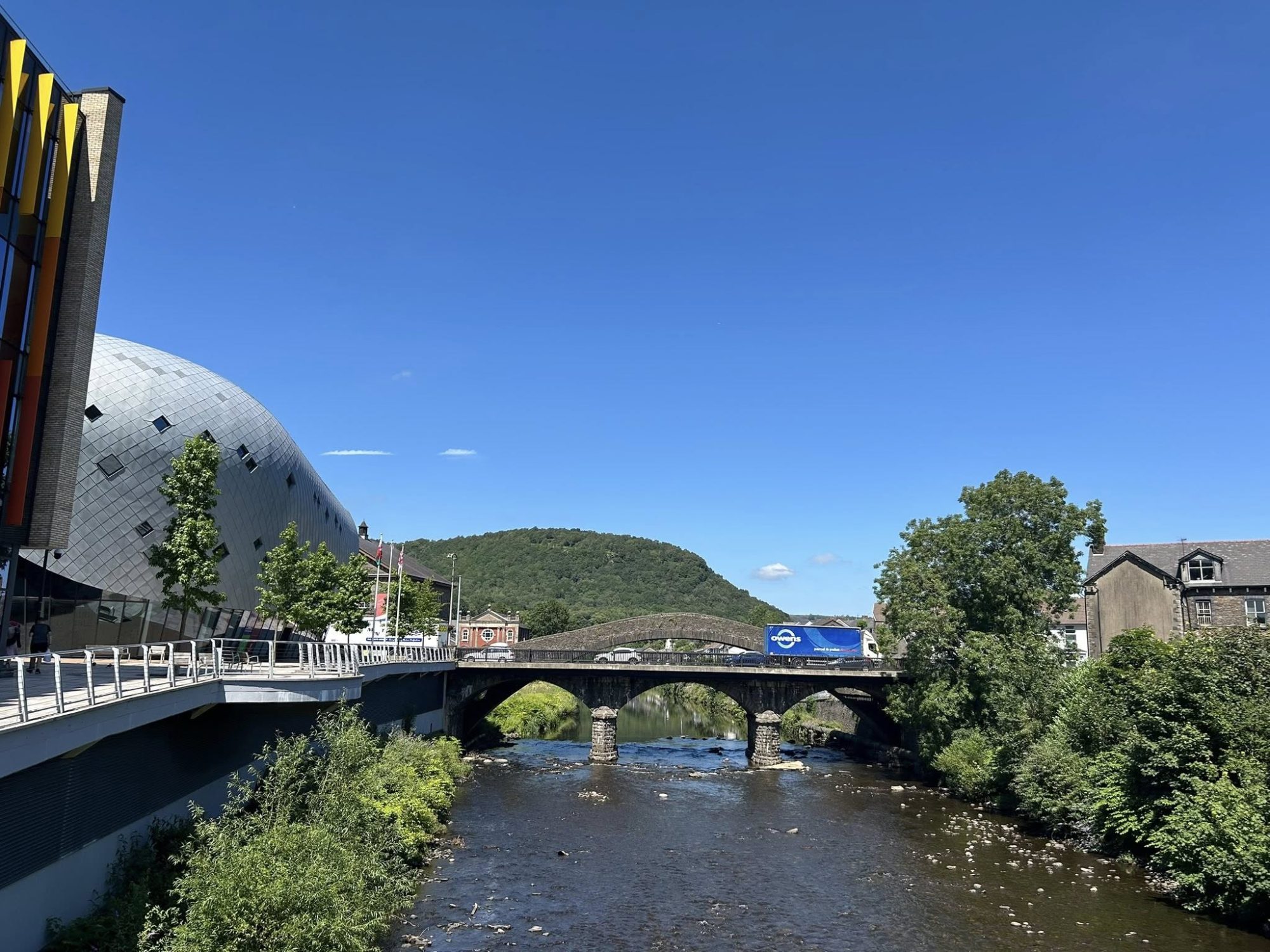
South Wales Valleys: A Musical Adventure
Celebrate Welsh Music Day with Choirs, Legends, and Valley Stories
If you’re visiting South Wales, there’s one thing you quickly realise: music is everywhere. It’s in the hills, the streets, the chapels, and the pubs. And there’s no better place to feel it than Pontypridd, where rivers meet, choirs rehearse, and the stories of famous Welsh musicians are still told with pride — often with a laugh. As an official Wales tourist guide, I’ve seen visitors’ jaws drop when they realise just how much talent comes from these little valleys towns.
So grab a cup of tea, and let me take you on a whistle-stop tour of songs, legends, and the quirkiest valley stories you won’t want to miss.
Pontypridd is more than a town — it’s the place where Wales found its voice. In the 1850s, Evan James (lyrics) and James James (melody) wrote Hen Wlad Fy Nhadau in Treforest. Today, that anthem is sung at rugby matches, concerts, and national events worldwide. Walking through Pontypridd, you can almost hear the streets humming with history — it’s a town that feels alive with song.
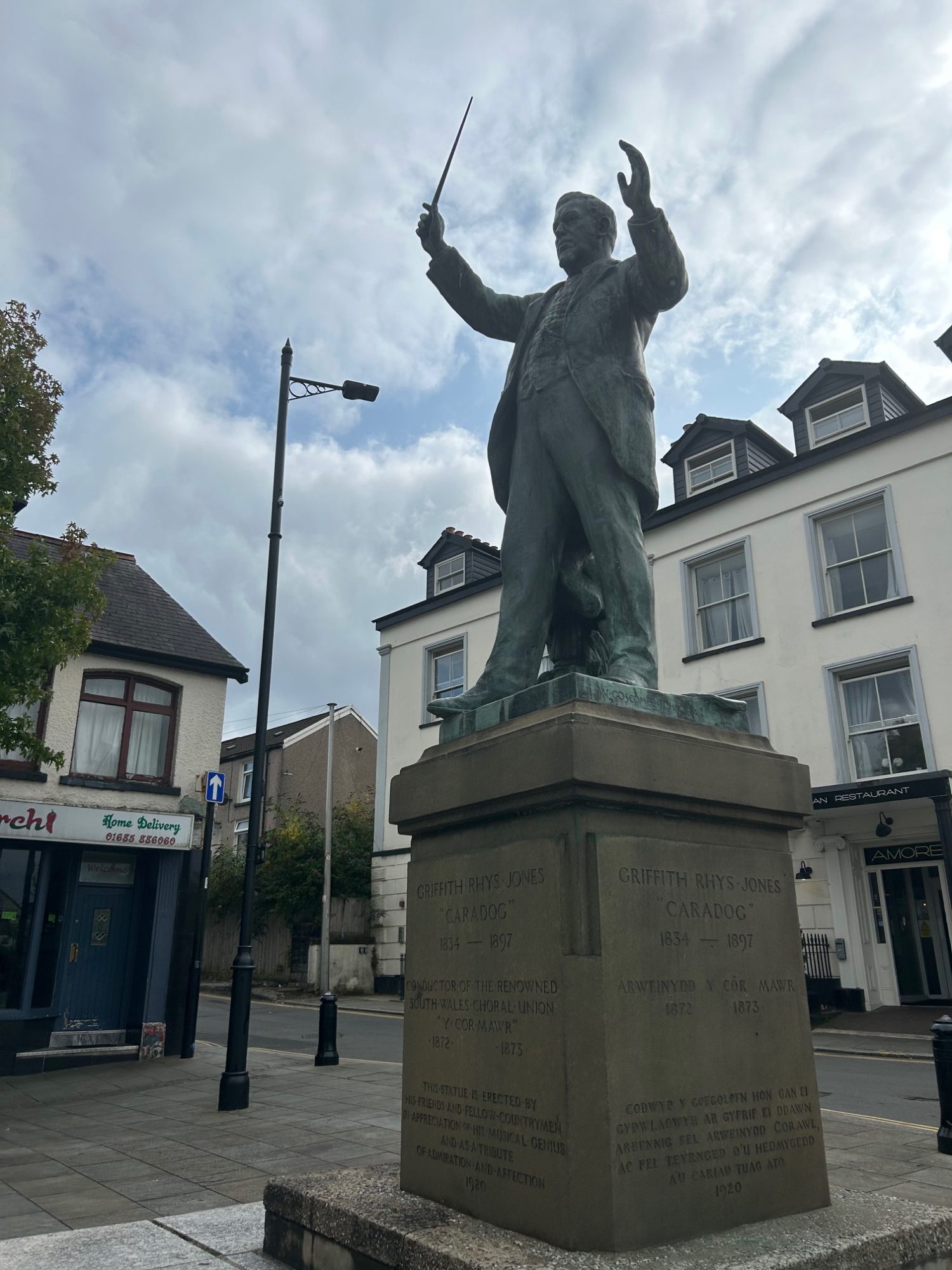
Here’s a fun fact: the famous Welsh male voice choir tradition began not in concert halls but in coal mines. After long, muddy shifts underground, miners would gather in chapels to sing hymns and folk songs — sometimes competitively, sometimes just for laughs. As you walk through Aberdare you come across the statue of Griffith Rhys Jones , known as Caradog, who led the famous 460-strong ‘Côr Mawr’ to win London’s Crystal Palace choral competitions in 1872 and 1873.
Today, Côr Meibion Pontypridd carries that tradition forward. And guess what? If you’re here on a Tuesday, you can attend a rehearsal. Nothing beats standing in a room filled with dozens of harmonising voices and feeling the valleys’ heartbeat in every note. One visitor described it as “like the hills themselves were singing!”
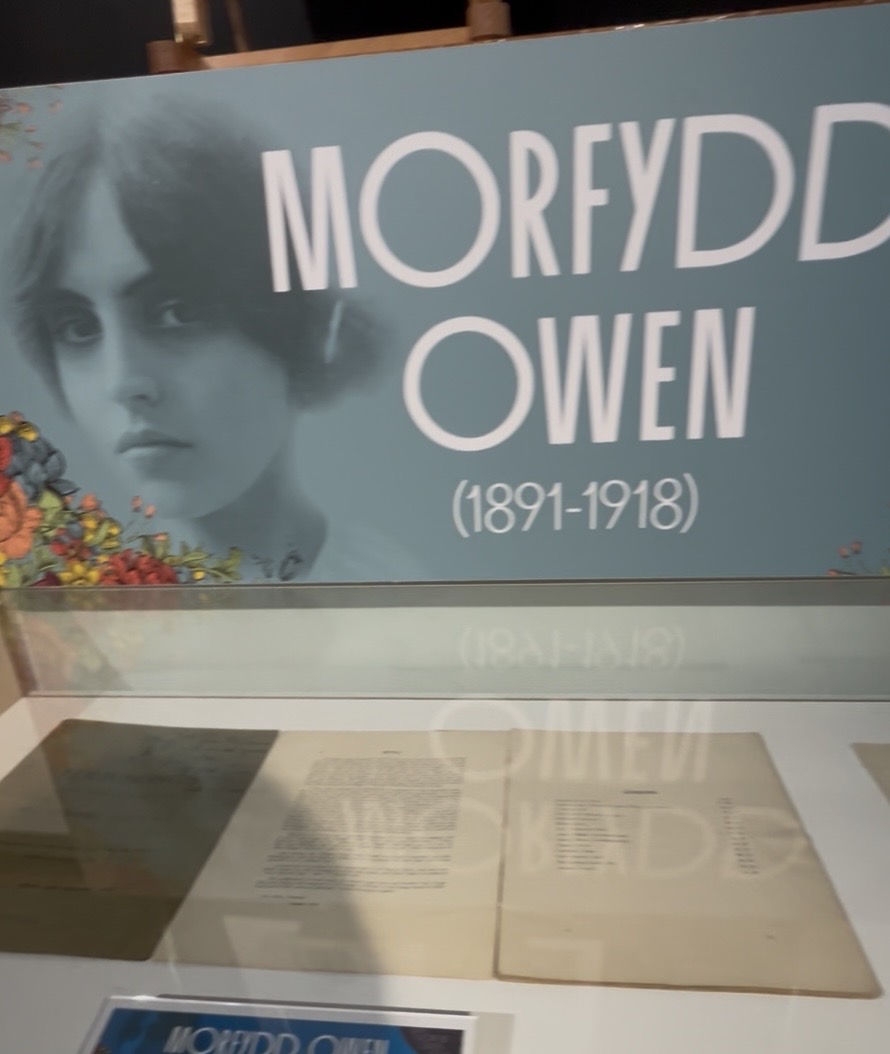
Pontypridd’s Lampshade Festival is a glowing, musical celebration — and it’s perfect for valley-style storytelling. Locals love recalling the time Morfydd Llwyn Owen, a pioneering composer and pianist, attended a London party wearing a lampshade on her head. Can you imagine the scene? That playful, fearless creativity is exactly what makes Welsh music so memorable. Festival-goers today even sometimes perform her compositions under lantern light, bringing her mischievous spirit back home.
A stone’s throw from the festival is Capel Rhondda, where the hymn Cwm Rhondda (“Guide Me, O Thou Great Redeemer”) was first performed in 1907 by John Hughes. The chapel has recently been bought by the local community, and Rhian, the passionate organiser, has just received the keys. Fans, choir lovers, and curious tourists now get to see this little chapel — a place that echoes across the world through its music.
The Valleys have a knack for producing extraordinary singers:
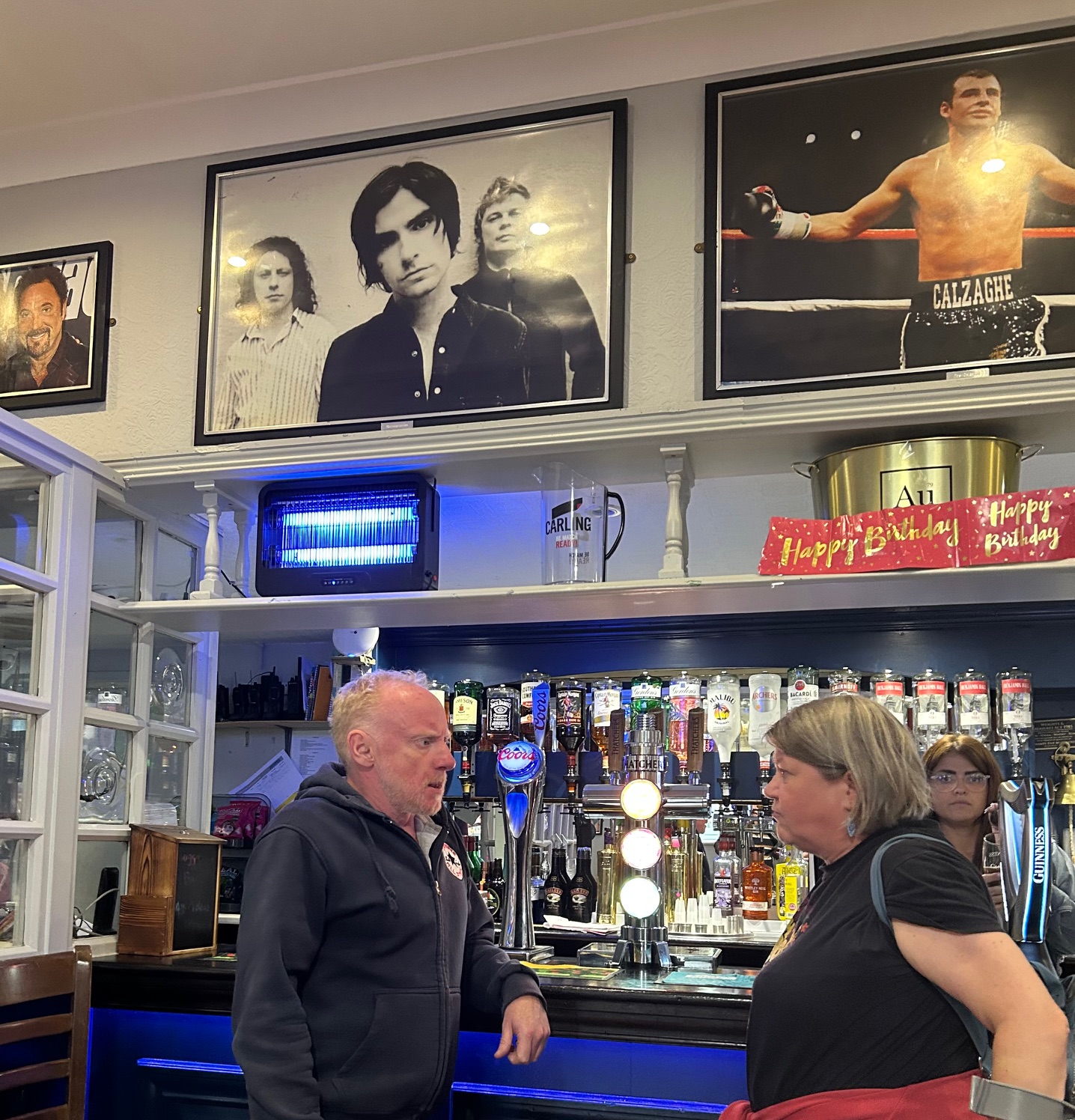
And don’t forget bands! The valleys have given us:
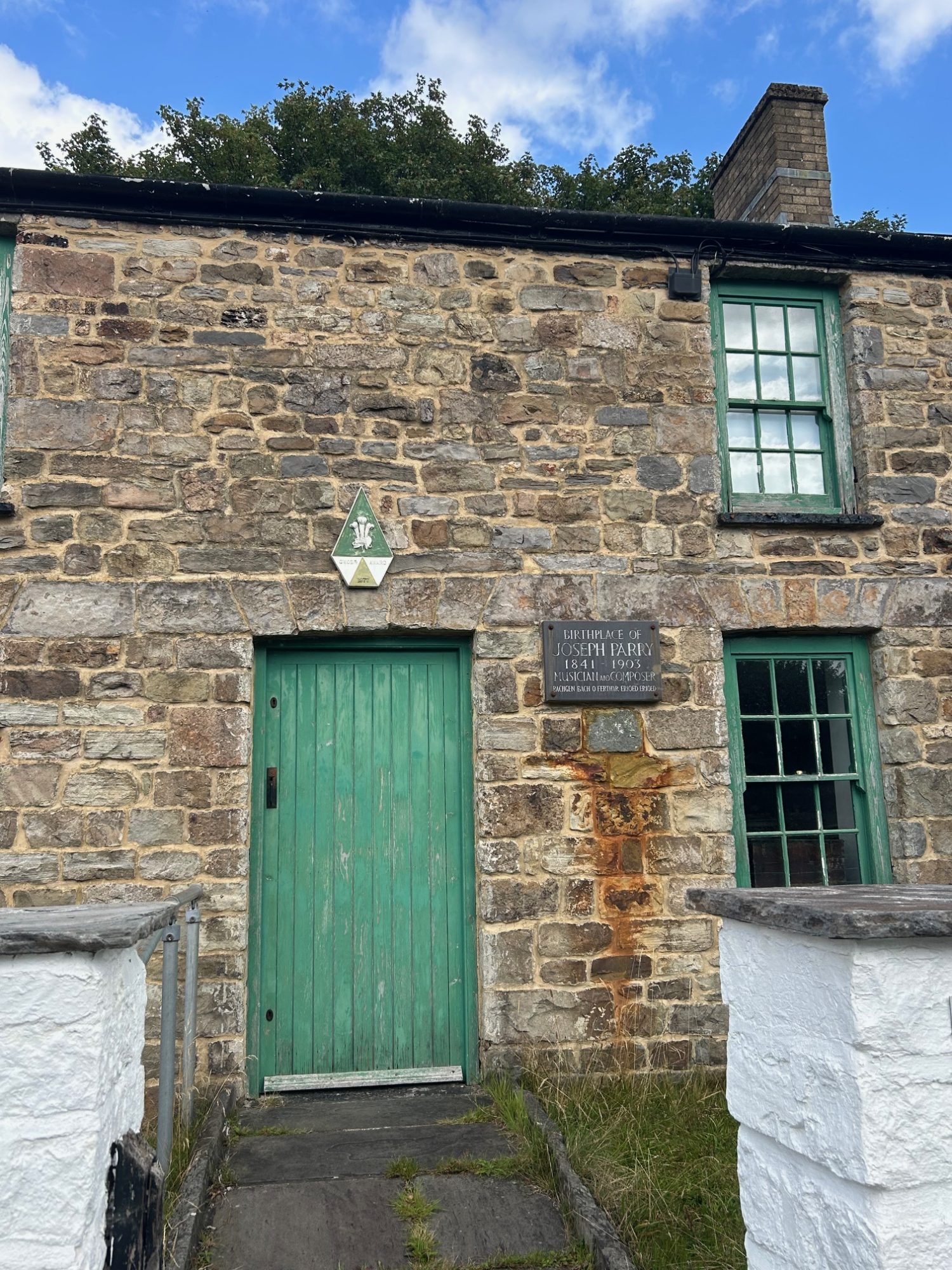
In Merthyr Tydfil, you can visit Joseph Parry’s cottage, often by collecting a key locally — which makes the experience feel like a treasure hunt. Parry composed Wales’s first Welsh-language opera Blodwen and the beloved song Myfanwy. For fans of Welsh music history, stepping inside is like stepping back in time.
From chapel choirs to rock tours, from lantern festivals to royal performances, the South Wales Valleys are a living musical storybook. Attend a Tuesday choir rehearsal in Pontypridd, explore Capel Rhondda, stroll through the Lampshade Festival, or peek into Joseph Parry’s cottage or just check out local pubs and bars for open mice day . Typsy Owl and Y Muni .
Every song here begins with community, every note tells a story, and every visitor leaves with a little melody of their own.
So grab your walking shoes, open your ears, and let the South Wales Valleys sing you a story you’ll never forget.

