
Wales is Britain’s hidden gem. Still undiscovered by international tourists. It is the
jewel on the crown. It is called God’s country by the Welsh for a reason..
Why Visit Wales? 10 Reasons This Unique Country Is Unlike Anywhere Else in Britain
Wales is very different from the rest of Britain—and it is absolutely worth visiting. From ancient castles and Celtic legends to wild landscapes, living traditions, and sustainable tourism, Wales offers an experience that feels deeply rooted in history and nature.
Here are 10 compelling reasons to visit Wales.

Wales is home to over 600 castles, more castles per square mile than anywhere else in Europe. Along the north coast, you’ll find the famous Iron Ring castles of Edward I, all designated as a UNESCO World Heritage Site.
Inland are the powerful castles of the Welsh princes, while South Wales is dotted with Marcher Lords’ castles, each telling stories of conflict, conquest, and resilience.
Wales is steeped in Celtic mythology and legend. The Mabinogion, the earliest Welsh prose tales, form the backbone of Welsh mythology and include stories connected to the Arthurian legends.
Across Wales, landscapes, lakes, and ancient sites are linked to these myths, making travel here feel like stepping into a storybook.
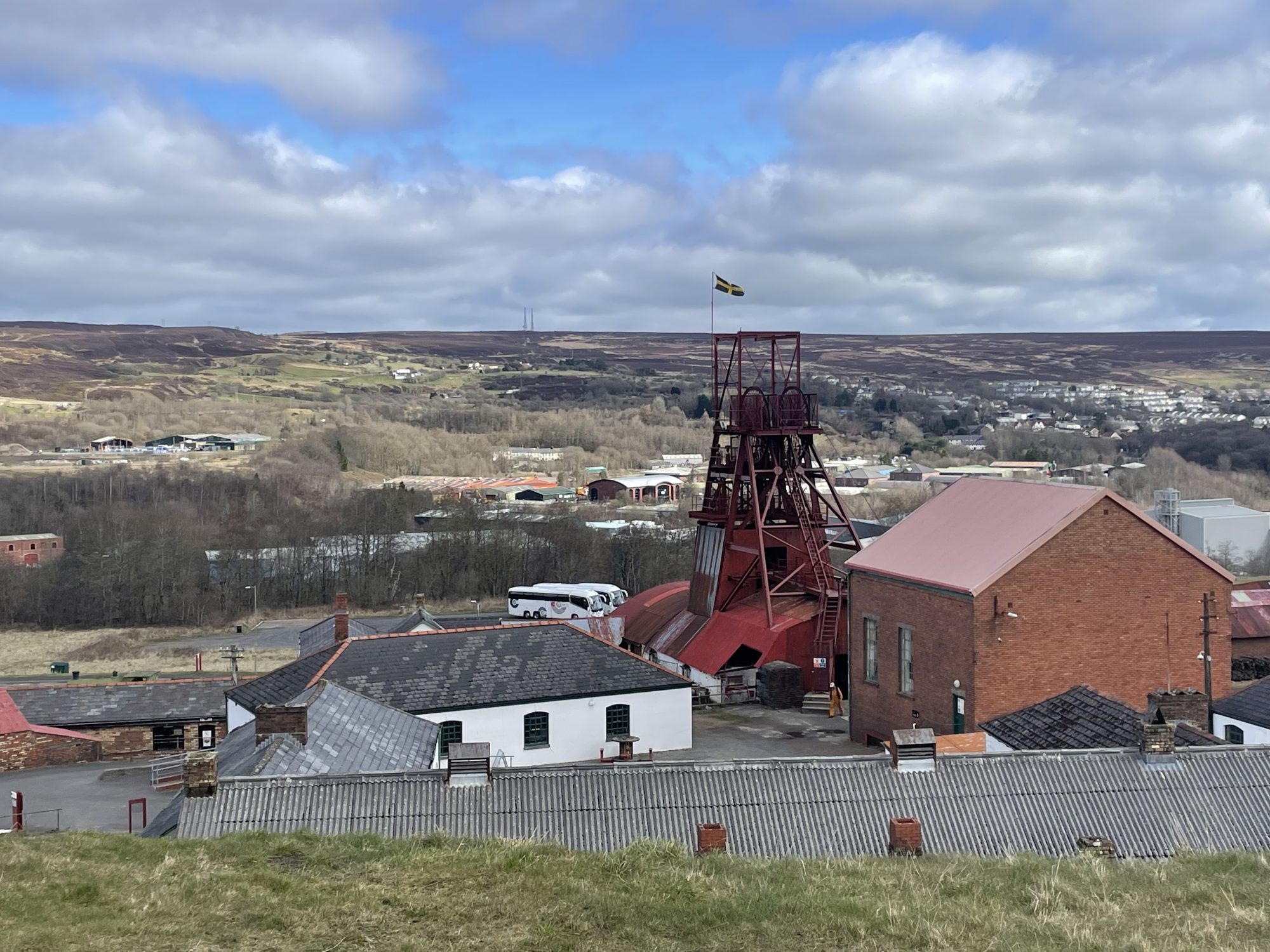
In the 19th century, Wales stood at the heart of the Industrial Revolution. Today, former coal mines in South Wales and copper and slate mines in North Wales are preserved as museums and visitor experiences.
You can descend 90 metres underground into a coal mine or take the Deep Mine Tour in a historic slate mine. In July 2021, the Slate Landscape of Northwest Wales became the fourth UNESCO World Heritage Site in Wales.

Wales is home to three stunning national parks:
With countless walking routes and long-distance trails, Wales is a paradise for outdoor lovers.
Wildlife highlights include puffins and Manx shearwaters on Skomer and Ramsey Islands, seals and dolphins along the coast, and even whales offshore. In the Brecon Beacons and Elan Valley, you can visit red kite feeding stations.
While most rainforests are tropical, Wales is home to ancient Celtic rainforests. Walking through one feels like travelling back in time.
Native oak, birch, hazel, and ash trees shelter rare lichens, mosses, and fungi. These magical forests are found in deep river valleys across Gwynedd, Ceredigion, and Powys.
Wales is truly unique within the British Isles. Welsh is the oldest surviving Celtic language in Europe and is still widely spoken today.
Welsh people are known for their warmth, humour, and strong sense of community. The word “Hiraeth” captures something deeply Welsh—it means more than homesickness; it expresses belonging, longing, and connection to the land.
Music is central to Welsh identity. Male voice choirs are one of Wales’s most recognisable traditions, with over 80 choirsacross the country.
Their roots lie in mining communities, where choirs, bands, and institutes fostered solidarity and pride. If you’d like to attend a rehearsal during your visit, just ask—we can include it in your itinerary.

Wales has a rich and often forgotten culinary heritage. From oysters, cockles, and laverbread to salt-marsh lamb, Welsh food is closely tied to the land and sea.
There’s a growing movement to revive local food production, with farmers, fishers, brewers, and growers leading the way. Traditional dishes include lamb cawl, Welsh cheeses, bara brith, Welsh cakes, beer, cider, and whisky. Why not join one of our Welsh foodie tours?
Wales has gone from coal to cool. Sustainable tourism is now a national priority—and even government policy.
Former mines have become museums, landscapes are protected, and Wales boasts dark sky reserves, biosphere reserves, and numerous sites of special scientific interest. Public transport makes it easy to travel responsibly—discover our Wales by Rail tours to explore with a low carbon footprint.
From castles and myths to rainforests and song, Wales offers something rare: authenticity. It’s a place where history is alive, landscapes are protected, and people care deeply for their culture and future generations.
If you’re looking for a destination that is meaningful, beautiful, and different—Wales is waiting.

