5 Things You Didn’t Know About Wales
Wales is often overshadowed by its larger neighbours, but this small, stunning country has so much to offer, from breathtaking landscapes to a rich industrial past and a future firmly rooted in sustainability. Whether you’re an adventure seeker, a culture enthusiast, or someone looking to soak up some history, there’s something in Wales for everyone. If you’re planning your next trip, here are five things you didn’t know about Wales that will make you want to pack your bags immediately.
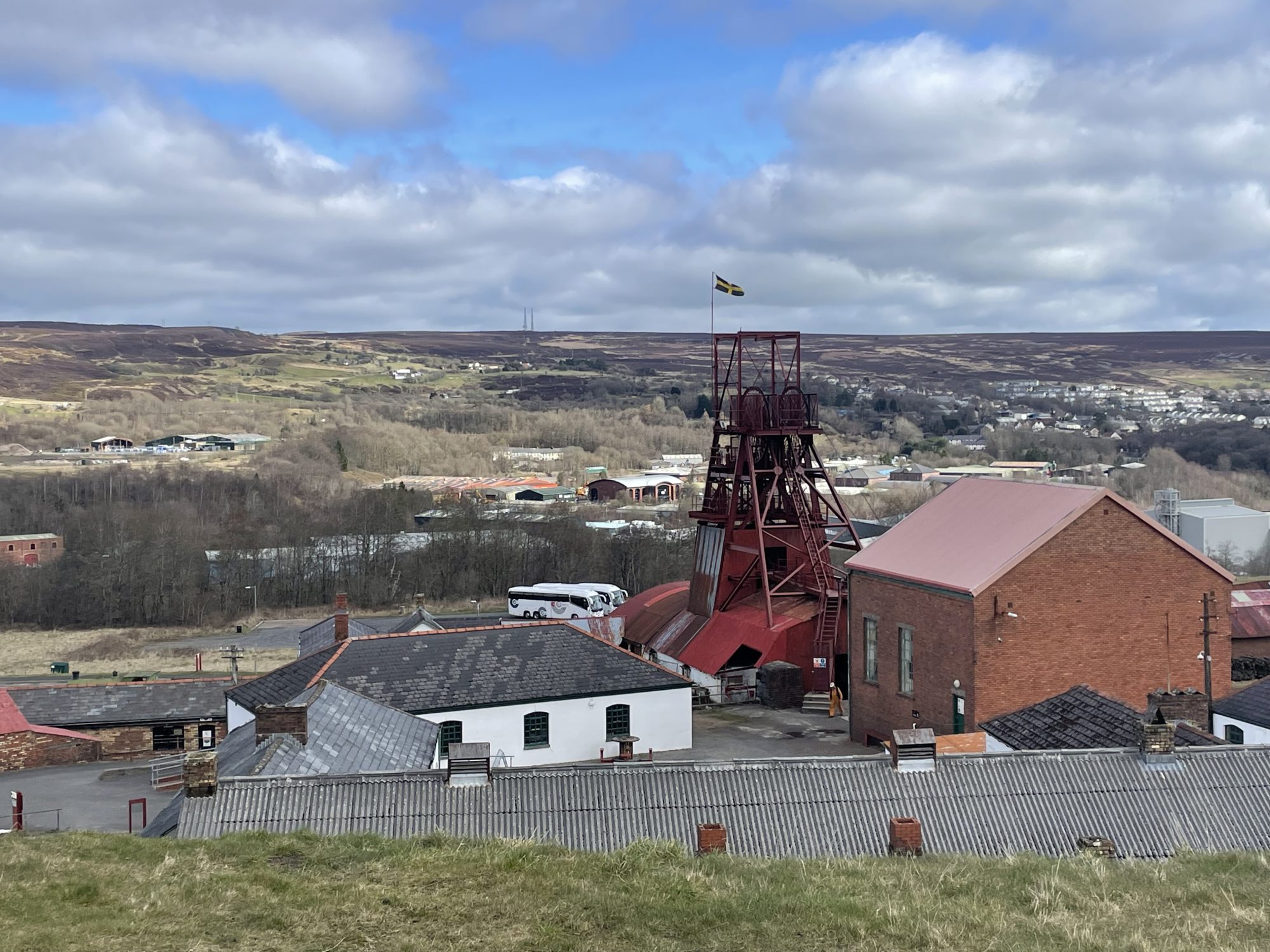
Did you know that Wales played a central role in the Industrial Revolution? While places like Manchester or Birmingham are often credited with leading the charge, South Wales was the powerhouse behind the booming coal and iron industries. In fact, at its peak, Wales produced 40% of the world’s iron! The iron and coal produced in Wales were exported to both developed and developing countries, fueling industrial growth and modernization worldwide.
The South Wales Valleys were home to thriving coal mines and ironworks, and whole communities were built around these industries. Today, you can walk in the footsteps of industrial workers and discover the country’s industrial past at sites like the Big Pit National Coal Museum or in North Wales the Snowdonia Slate Landscape UNESCO World Heritage Site. You can even ride historical steam trains in Bannau Brycheiniog ( Brecon Beacons ) or take the Snowdon Mountain Railway to the top of Yr Wydfa ( Mount Snowdon ) , one of the UK’s most iconic peaks. Visiting these sites isn’t just a history lesson; it’s a chance to understand the country’s incredible transformation and how Wales’ industrial legacy influenced other countries, contributing significantly to global industrialization.
Imagine a country that’s not just about breathtaking landscapes and charming villages, but also deeply committed to protecting those landscapes for the future. Wales is doing just that! This green nation has made sustainability a top priority with its Well-being of Future Generations Act, which is guided by key sustainability principles and criteria designed to balance environmental, economic, and social goals. The Act focuses on building a future that benefits both the people and the planet.
Wales is already a leader in renewable energy, with exciting projects like the Pembrokeshire tidal energy project harnessing the power of the sea. By 2050, Wales aims to be net-zero carbon emissions—and it’s well on its way. Wales is adopting best practice approaches and sustainability practices to achieve its ambitious targets, setting an example for other destinations.
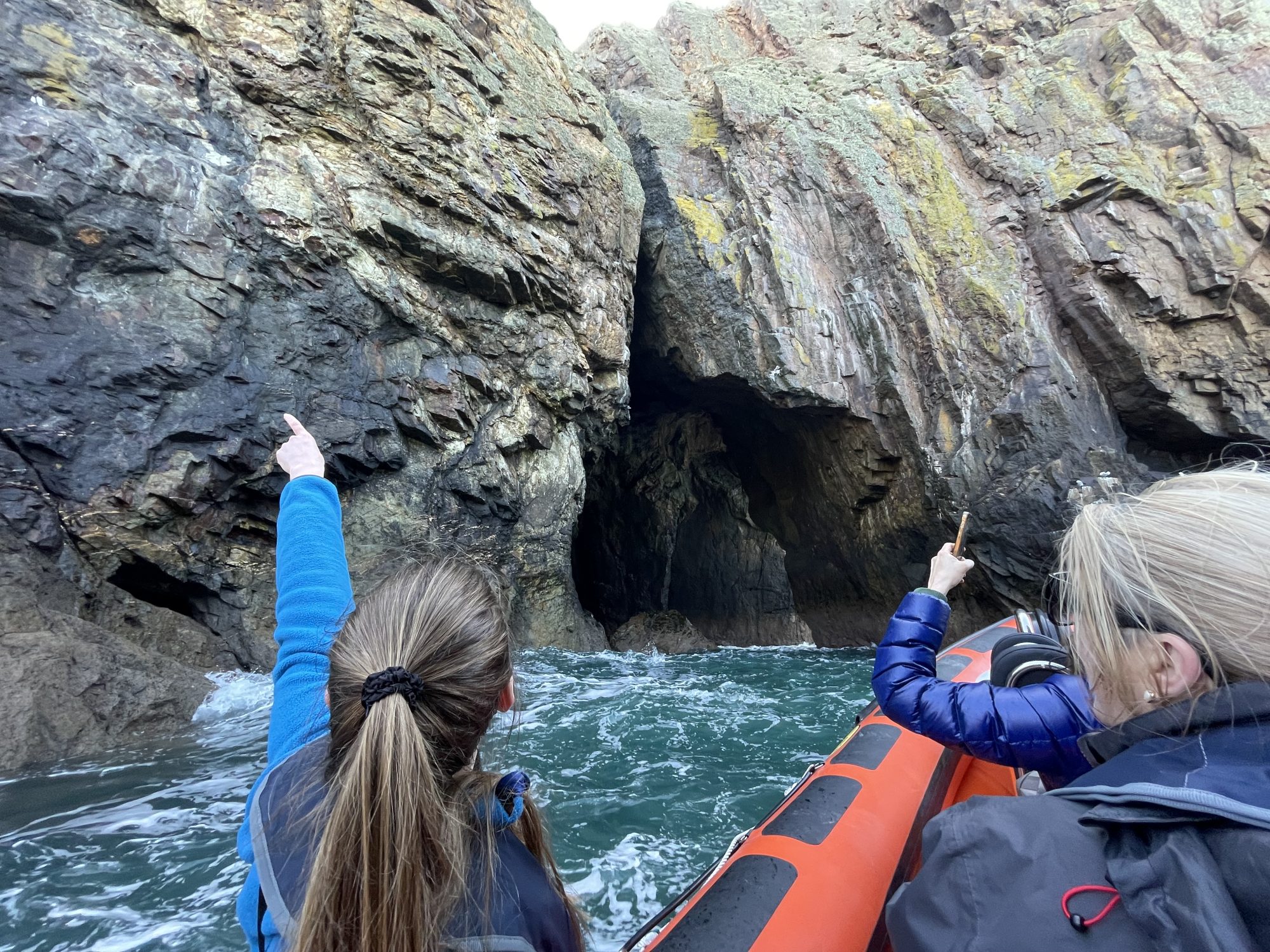
As a traveller, you can be part of this green revolution by opting for eco-friendly accommodations, choosing local, sustainable dining options, and supporting businesses that are dedicated to sustainable tourism. Green tourism initiatives and eco-friendly businesses enhance the positive impacts of tourism on local economies, supporting community development and responsible travel. From hiking through Eryri ( Snowdonia National Park) to kayaking in Pembrokeshire, the country offers plenty of eco-conscious activities that leave a positive impact on the environment. These practices contribute to environmental stewardship and support the economic well-being of local communities.
We hope that Wales continues to lead in sustainable tourism and inspire other destinations to adopt similar practices.
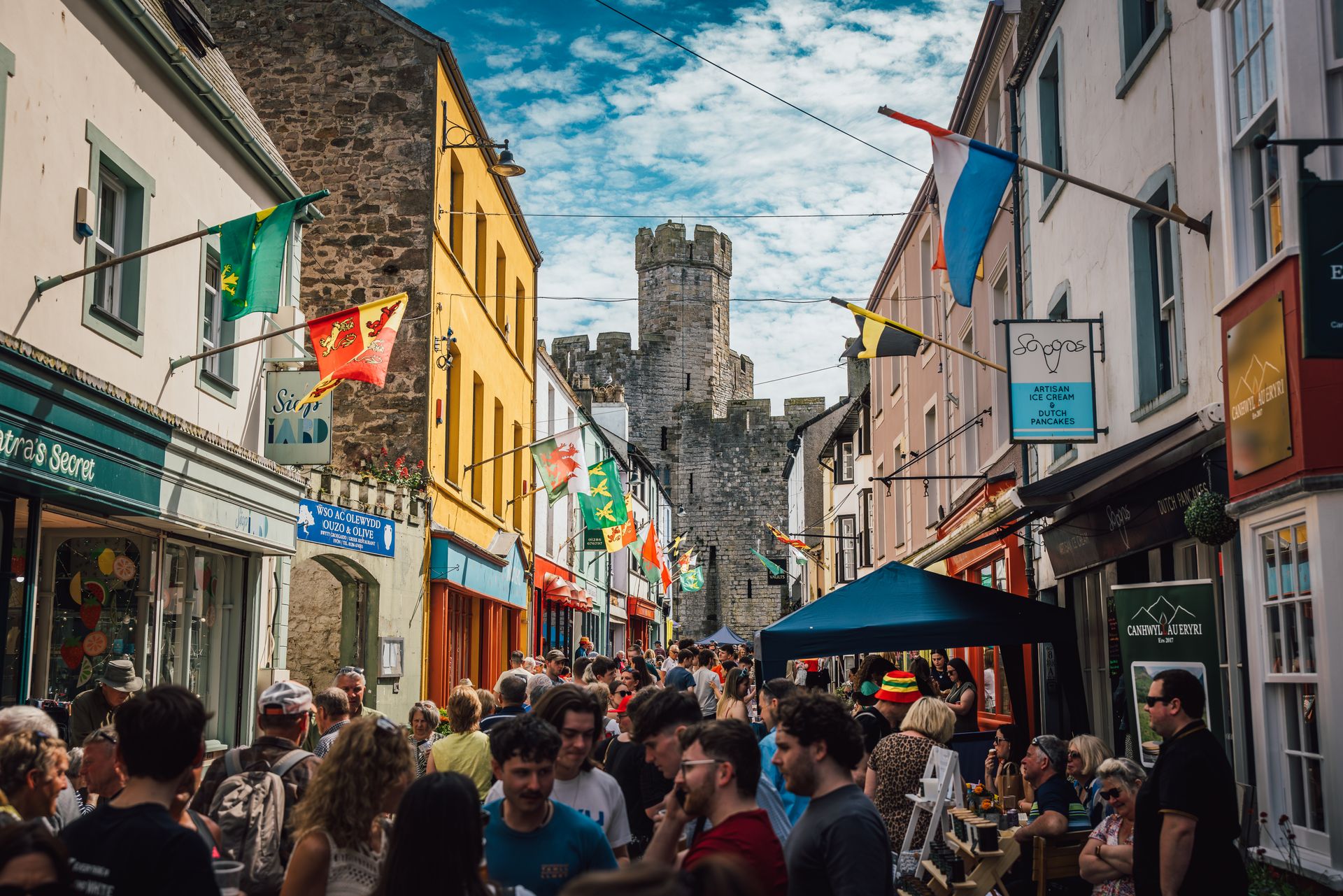
Wales is a tapestry of vibrant local communities, each with its own unique story and deep-rooted cultural heritage. From bustling market towns to tranquil coastal villages, every corner of the country offers a chance to connect with the local community and experience the authentic spirit of Wales. The warmth and hospitality of the Welsh people are legendary, and visitors are often welcomed as friends, not just tourists.
By exploring these communities, travellers gain in-depth knowledge of Wales’ natural and cultural heritage. Whether you’re joining a local festival, sampling traditional foods at a village market, or listening to stories passed down through generations, you’ll develop a true appreciation for the country’s rich culture and history. The travel industry in Wales is dedicated to sustainable tourism practices that protect both the environment and the traditions that make each destination unique.
Supporting local businesses and artisans not only enriches your journey but also contributes to the sustainable development of these communities. By choosing experiences that are rooted in local culture and led by local people, you help reduce the carbon footprint of your trip and ensure that tourism has a positive impact on the environment and the well-being of the community. Every visit, every conversation, and every purchase can make a difference—helping to preserve the natural beauty and cultural heritage of Wales for future generations.
So, as you travel through Wales, take the time to meet the people who call this country home. Their stories, passion for their land, and commitment to sustainability will inspire you and deepen your appreciation for this remarkable destination.

If you love outdoor adventures, Eryri (Snowdonia National Park ) should be at the top of your Wales bucket list. Established in 1951, Snowdonia was not only the first national park in Wales, but it’s also home to Mount Snowdon, the highest peak in Wales and one of the most popular hiking destinations in the UK. The park is renowned for its rich nature and biodiversity, making it a haven for wildlife enthusiasts and conservationists alike.
Snowdonia is more than just a beautiful place to explore—it’s a natural playground for hiking, climbing, kayaking, and even horseback riding. Whether you’re scaling the rugged peaks of Cader Idris, walking along the tranquil shores of its glacial lakes, or soaking in panoramic views, Snowdonia offers something for every adventurer. The breathtaking scenery and outdoor experiences serve as a source of inspiration for visitors, encouraging a deeper appreciation for the environment. Plus, with eco-tourism initiatives in place, you’ll be doing your part in preserving this stunning landscape for generations to come. These efforts help protect the quality of life for both local communities and wildlife. The park also offers educational opportunities, such as guided nature walks and conservation programs, to raise awareness and foster responsible tourism.
Don’t miss the chance to hop on the Snowdon Mountain Railway, where you can relax and enjoy the scenery as you ascend to the top for jaw-dropping views. Trust us: it’s an experience you won’t forget.
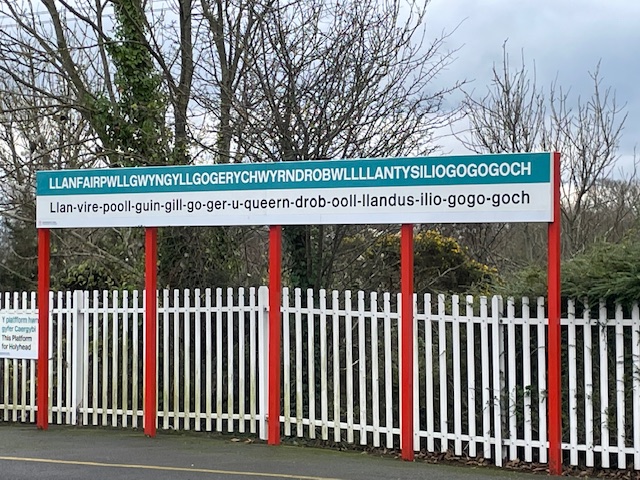
Wales is famous for its unpronounceable place names, but did you know it’s home to Europe’s longest? Get ready to challenge your linguistic skills with the village of Llanfairpwllgwyngyllgogerychwyrndrobwllllantysiliogogogoch. It’s not just a mouthful—this quirky name was coined in the 19th century as a fun tourist attraction.
While it might be a challenge to say, it’s definitely worth a stop! Llanfair PG (as it’s affectionately shortened) is a fun photo-op and a unique stop on your Welsh adventure. Plus, there’s a fantastic local gift shop where you can pick up mementos of your attempt to pronounce the village’s famous name. It’s an excellent way to add some quirky fun to your trip!

While many visitors to Wales speak English, the Welsh language (Cymraeg) is an intrinsic part of the nation’s identity. In fact, Welsh has been spoken for over 1,500 years and is experiencing a resurgence—meaning it’s the perfect time to immerse yourself in the language during your trip.
You’ll notice bilingual road signs, Welsh TV broadcasts, and even street names in both Welsh and English. Some towns and villages in Wales still speak Welsh as their first language, and visitors are encouraged to try their hand at a few phrases. Learn how to say “Croeso” (Welcome) or “Diolch” (Thank you) to impress the locals and truly connect with the culture.
Don’t Be Shy—Try a Little Welsh!
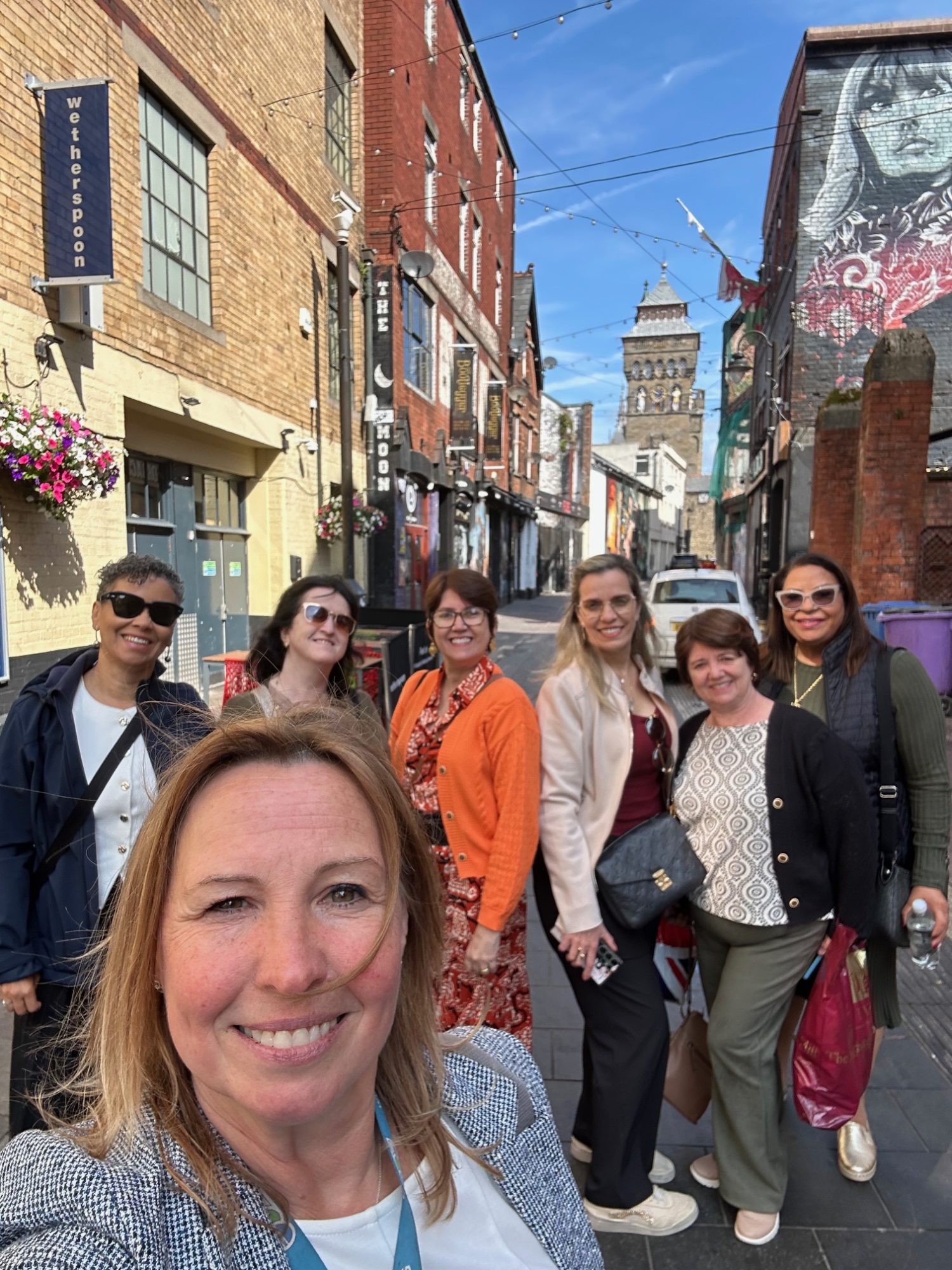
Ask your official Wales tourist guide to teach you a few Welsh words, and don’t hesitate to give them a go! Locals genuinely appreciate the effort. I recently guided a group from Portugal, and it was heartwarming to see the smiles on people’s faces when they were greeted with a cheerful “Bore da!” (Good morning) in Welsh. One gentleman even stopped me to say thank you for promoting Welsh culture and keeping the language alive—it was a small gesture that meant a lot.
For a deeper dive, visit language centres or take a Welsh language course or just enter to a pub in North Wales. These centres are known for their excellent service, helping visitors learn Welsh in a supportive environment. Visitors have easy access to language learning resources and support throughout Wales. It’s an unforgettable way to experience Welsh heritage and engage with the country on a whole new level.
Whether you’re an avid hiker, a lover of history, or someone who wants to explore a sustainable, forward-thinking country, Wales has something to offer. From exploring the industrial legacy of the South Wales Valleys to soaking in the green beauty of Snowdonia and embracing Welsh culture, this captivating country will surprise and inspire you at every turn. Wales is on a path to becoming a model for sustainable travel recognized around the globe, with destinations and tourism practices that prioritize environmental, social, and economic sustainability.
Wales isn’t just about the stunning views (although there are plenty!). It’s about the people, the stories, and the future. By supporting sustainable tourism, you’ll be helping preserve Wales’ natural beauty while enjoying all that this fascinating country has to offer.
So, if you’re planning your next trip and want to explore the hidden gems of the UK, Wales should be at the top of your list. Get ready to experience this beautiful country like never before—one adventure at a time.
Ready to explore Wales? Whether it’s hiking Snowdon,or Brecon Beacons , uncovering the industrial heritage, or mastering the world’s longest place name, Wales is calling. Let’s make your adventure sustainable, fun, and unforgettable! Join the movement for sustainable travel and be part of a global community making a difference.
Exploring Wales is a privilege, and with that comes the responsibility to protect its natural and cultural heritage for generations to come. By embracing sustainable tourism practices, visitors can ensure their adventures leave a positive impact on both the environment and local communities.
Start by respecting local customs and traditions—these are the heart of Welsh culture and contribute to the country’s unique identity. Reduce your carbon footprint by opting for public transport, cycling, or walking whenever possible. Supporting local businesses and staying in eco-friendly accommodations not only enhances your experience but also strengthens the local economy and community well-being.
Wales is a leader in ecotourism and regenerative tourism, with many destinations focusing on restoring and conserving natural areas rather than simply minimizing harm. By choosing responsible travel options and eco-friendly tour operators, you contribute directly to the conservation of Wales’ stunning landscapes and biodiversity. Regenerative tourism goes a step further, aiming to leave places better than you found them—something that’s increasingly important in today’s travel industry.
Destination leaders across Wales are committed to continuous improvement in sustainability performance, regularly evaluating and updating their practices to ensure the country remains a model for sustainable development. As a visitor, you can join this journey by making mindful choices, conserving resources, and encouraging others to do the same.
Every action, no matter how small, contributes to the preservation of Wales’ natural and cultural heritage. By traveling responsibly, you help ensure that the beauty, culture, and communities of Wales continue to thrive—making your trip not just memorable, but truly meaningful.

